Bhutan: The Himalayan Kingdom of Happiness
Discover the mystical Land of the Thunder Dragon, where ancient traditions meet breathtaking landscapes
Bhutan's Living Cultural Treasures
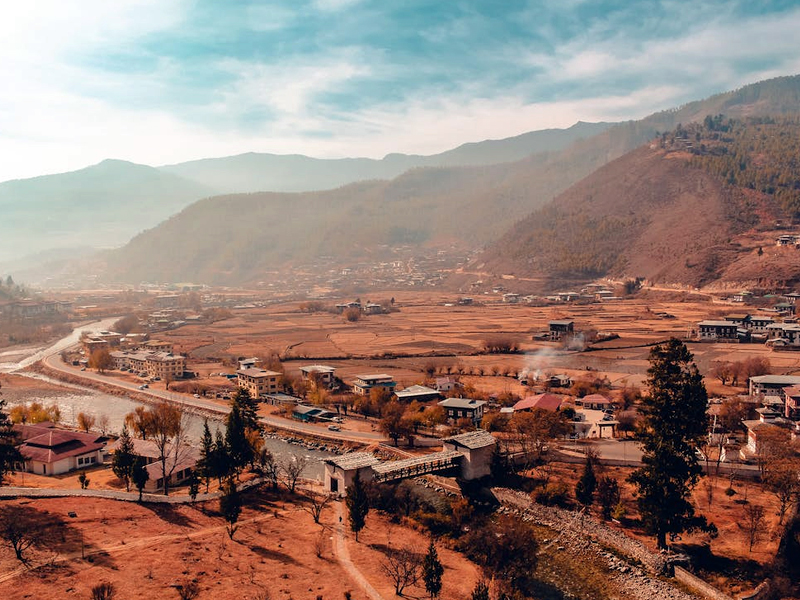
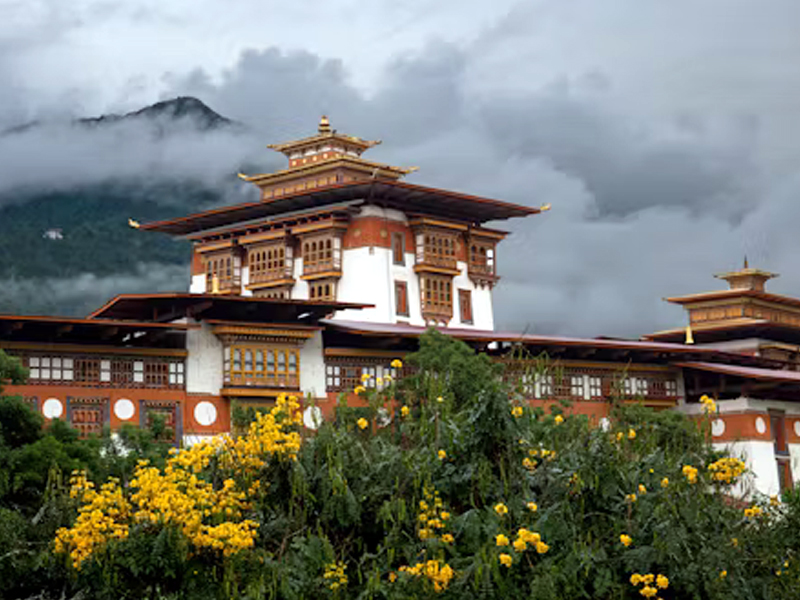
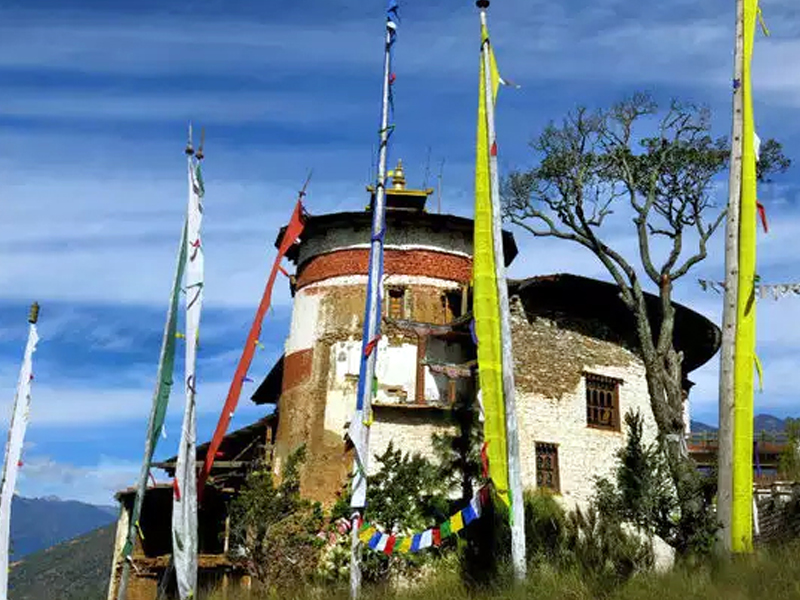
Bhutan's cultural landscape is dominated by magnificent dzongs (fortress monasteries) that serve as both religious and administrative centers. The iconic Tiger's Nest Monastery (Paro Taktsang) clings precariously to cliffs 900 meters above the Paro valley, while Punakha Dzong stands majestically at the confluence of two rivers. The massive Buddha Dordenma Statue in Thimphu watches over the capital city, containing 125,000 smaller Buddha statues within its bronze structure.
Thimphu: The World's Most Unusual Capital
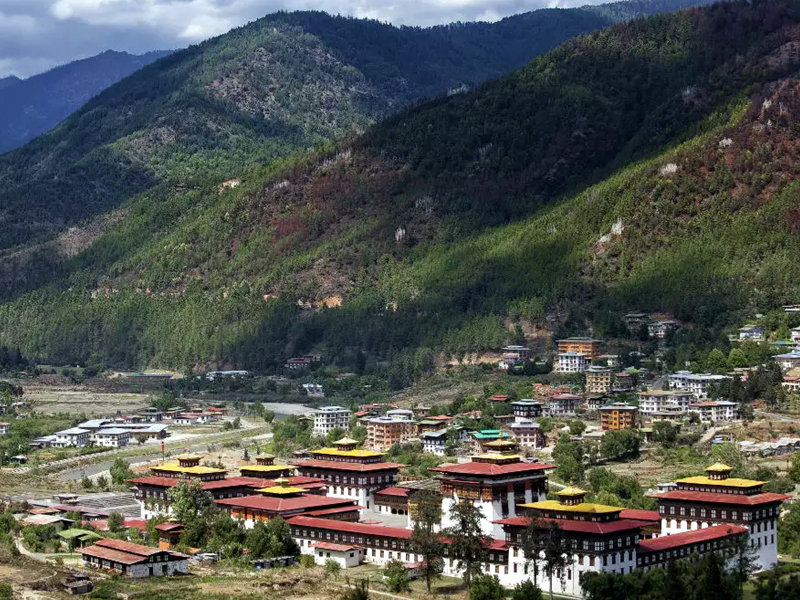
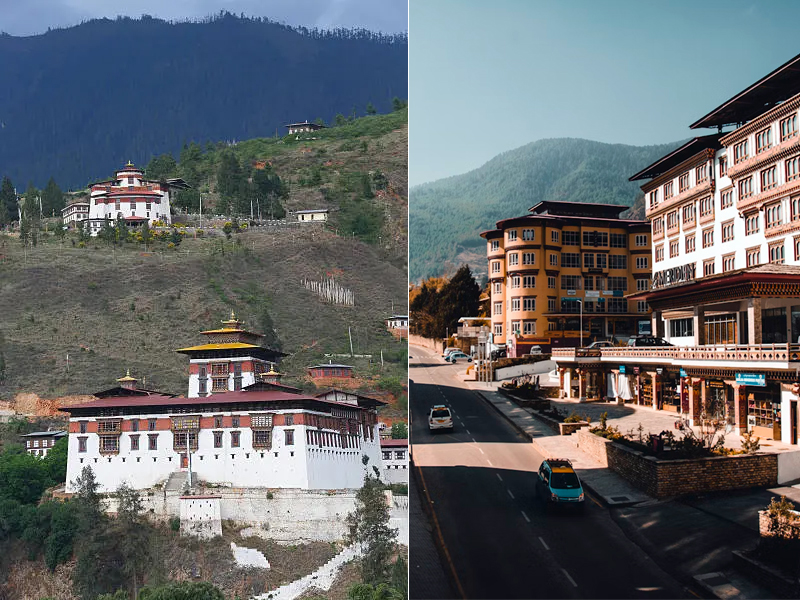
At 2,350 meters elevation, Thimphu maintains its traditional character with mandated Bhutanese architecture and no traffic lights. Key attractions include the National Memorial Chorten honoring the third king, the Traditional Medicine Hospital producing herbal remedies, and the Folk Heritage Museum showcasing rural life. The Takin Preserve protects Bhutan's national animal, a curious goat-antelope hybrid.
Sacred Valleys & Spiritual Experiences
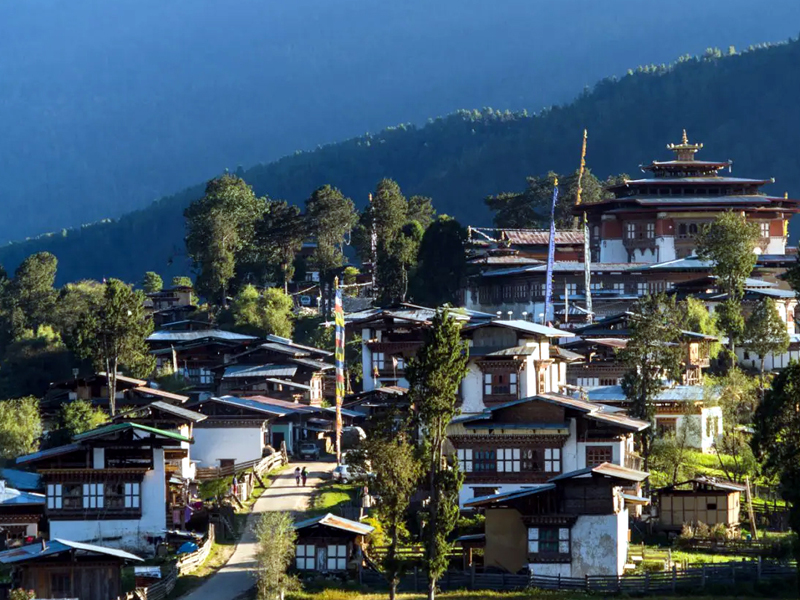
The Phobjikha Valley, a glacial wetland, hosts endangered black-necked cranes and the Gangtey Monastery. Central Bhutan offers immersive cultural encounters at ancient dzongs like Wangdue Phodrang and Jakar Dzong. Visitors can witness vibrant tshechu festivals featuring masked dances that preserve sacred Buddhist teachings.
Legendary Himalayan Treks
Druk Path Trek
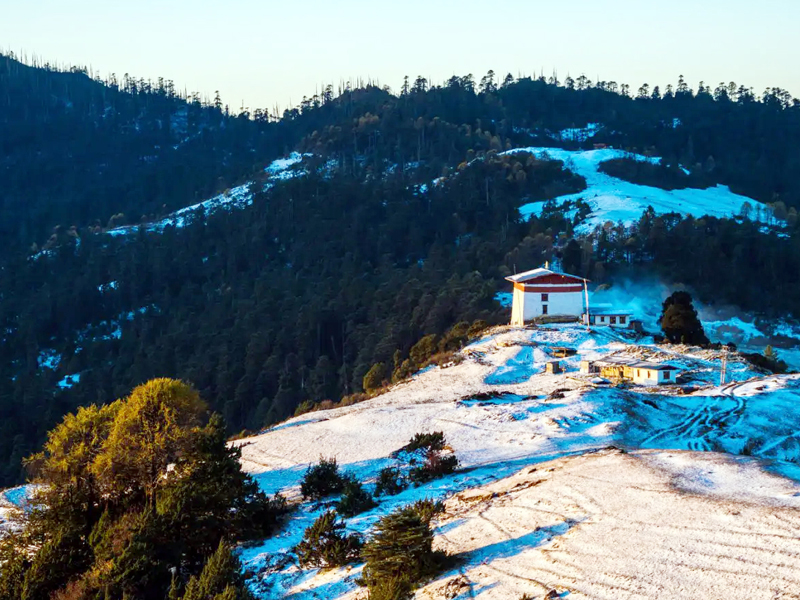
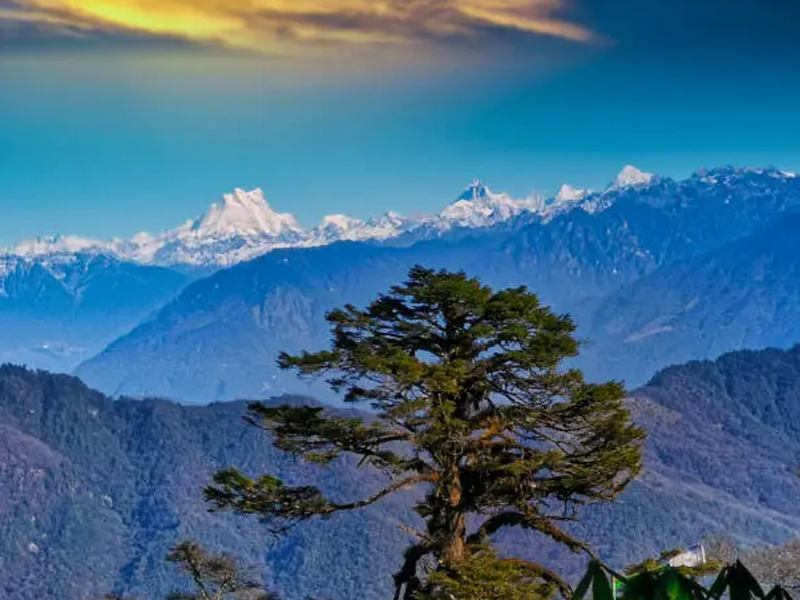
This 6-day scenic route connects Paro to Thimphu through rhododendron forests and alpine meadows with panoramic Himalayan views.
Chomolhari Yaksa Trek
A challenging week-long journey offering close encounters with Bhutan's second-highest peak (7,314m) and remote mountain culture.
Gangkar Puensum Trek
Bhutan's most demanding 14-day expedition to the world's highest unclimbed mountain (7,570m) through pristine wilderness.
Visiting Bhutan: Practical Information
All visitors require pre-arranged visas through licensed tour operators, with a minimum daily package fee covering accommodation, meals, transport and guides. Drukair offers flights from Kathmandu to Paro, while overland travel from Nepal includes spectacular mountain routes. The best trekking seasons are spring (March-May) and autumn (September-November).
Authentic Bhutanese Encounters
- Participate in monastic prayer ceremonies at cliffside temples
- Witness the spectacular Thimphu Tshechu festival
- Cross Bhutan's longest suspension bridge in Punakha
- Sample ema datshi (chili cheese), the national dish
- Meditate in 7th-century sacred caves
- Stay in traditional farmhouses with local families
Bhutan's commitment to Gross National Happiness over GDP creates a truly unique travel experience where cultural preservation and sustainable tourism go hand in hand with breathtaking natural beauty.
Portfolio
Discover the Enchanting Land of Bhutan – Nestled in the Himalayas, Bhutan, the "Land of the Thunder Dragon," offers a magical blend of stunning landscapes, deep-rooted Buddhist culture, and vibrant festivals, with its capital Thimphu serving as a gateway to unique traditions and spiritual experiences. Must-Visit Attractions in Bhutan – From the cliffside Paro Taktsang (Tiger’s Nest Monastery) to the majestic Punakha Dzong, the serene Phobjikha Valley, and the towering Buddha Dordenma Statue, Bhutan is filled with awe-inspiring landmarks that showcase its natural beauty and spiritual heritage. Experience Bhutanese Culture and Festivals – Immerse yourself in Bhutan’s living traditions at the Folk Heritage Museum or witness the colorful Thimphu Tshechu Festival, where masked dances and ancient rituals bring the kingdom’s rich history to life.
Bhutan Travel Tips and Tricks
Cultural Etiquette: Dos and Don'ts
When visiting Bhutan, it's important to respect local customs. Dress modestly and remove your shoes before entering sacred spaces like temples and monasteries. Avoid talking loudly, laughing, or screaming inside religious buildings. Smoking in public is prohibited, and you should never step or climb on religious structures like chortens or stupas. Always check for photography restrictions before taking pictures.
Planning Your Trip
Bhutan requires most visitors to pay a Sustainable Development Fee (currently $100 per day). Independent travel is now possible, but working with a tour operator is still recommended for the best experience. Book well in advance if you're visiting during festivals or peak trekking seasons. You'll need to arrange travel insurance before your trip as it's mandatory for entry.
Getting to Bhutan
Paro International Airport is Bhutan's only international airport, served by just two airlines: Drukair and Bhutan Airlines. Flights are weather-dependent and can be delayed for days in poor conditions - pack essentials in your carry-on. Overland entry is possible from India, but most visitors fly into Paro.
Money Matters
Be prepared to wire transfer payment for your tour package in full before your trip. While ATMs are available in major towns, cash (Ngultrum or Indian Rupees) is essential for rural areas. Tipping guides and drivers is customary as they work hard to ensure your experience is memorable.
When to Visit
Consider timing your visit with one of Bhutan's colorful festivals for a truly special experience. The best trekking conditions are typically March-May and September-November. Be aware that winter months can bring flight disruptions due to weather.
What to Pack
Bring modest clothing that covers shoulders and knees for temple visits. Comfortable walking shoes are essential for exploring monasteries and trekking. Don't forget printed copies of your visa and flight documents, as these are required before departure.
Internet and Connectivity
While internet access is available in urban areas, connectivity can be limited in rural regions. Purchase a local SIM card if you need reliable service. Embrace the opportunity to disconnect and immerse yourself in Bhutan's peaceful atmosphere.
Health and Safety
Bhutan is generally very safe for tourists. Be prepared for altitude effects in high mountain areas. Drink only bottled or purified water, and be cautious with spicy local foods if you're not accustomed to them. Pharmacies are available in towns for basic needs.
Cultural Experiences
Don't miss the iconic Tiger's Nest Monastery hike. Visit dzongs (fortress monasteries) to understand Bhutan's unique blend of religion and government. Try local dishes like ema datshi (chili cheese) and participate in traditional hot stone baths for authentic experiences.
Sustainable Tourism
Remember your Sustainable Development Fee supports Bhutan's people and environment. Choose eco-friendly accommodations when possible. Support local artisans by purchasing authentic handicrafts rather than mass-produced souvenirs.
Bhutanese Culture & Cuisine: A Flavorful Journey
The Communal Spirit of Bhutanese Dining
In Bhutan, meals are more than just nourishment - they're sacred social rituals. Families and communities gather around shared dishes, reinforcing bonds through the simple act of eating together. This tradition reflects the deep Bhutanese values of kinship and collective harmony that permeate all aspects of life in the Himalayan kingdom.
Buddhist Philosophy on the Plate
Bhutanese cuisine carries the mindful essence of Vajrayana Buddhism through its emphasis on vegetarian options and moderate portions. Many dishes are designed to nourish both body and spirit, with careful attention to balance and seasonal availability. The Buddhist respect for all living beings influences everything from ingredient selection to portion sizes.
Fiery Flavors of the Thunder Dragon
Prepare your taste buds for an adventure - Bhutanese food is famously spicy! Chili isn't just a seasoning but often the main ingredient, as seen in the national dish ema datshi (chilies with cheese). This love of heat reflects the bold spirit of Bhutanese culture and the need for warming foods in the high-altitude Himalayan climate.
Sustainable Gastronomy
Bhutanese cuisine demonstrates remarkable harmony with nature. Seasonal, locally-sourced ingredients dominate menus, with red rice, buckwheat, and maize as staples. The farm-to-table philosophy isn't a trend here but a centuries-old way of life that maintains Bhutan's pristine environment while delivering incredible flavors.
Himalayan Fusion Cuisine
Bhutan's culinary traditions represent a fascinating blend of Tibetan, Indian, and Chinese influences, transformed into something uniquely Bhutanese. From momo dumplings to hearty stews, each dish tells a story of cultural exchange along ancient Himalayan trade routes while maintaining distinct local character.
Sacred Sustenance: Food in Religious Traditions
In Bhutan, food plays important roles in Buddhist rituals and festivals. Special dishes are prepared for religious occasions, and offerings of food are made at temples and home altars. Even daily meals often begin with a small offering, blending spiritual practice with nourishment.
Dairy Delights of the High Himalayas
Bhutanese cuisine makes creative use of dairy, especially cheese and butter from yaks and cows. The famous fermented yak cheese appears in many dishes, while butter tea remains a staple drink. These dairy products provide essential nutrients and energy for high-altitude living.
Preserving Culinary Heritage
Despite modernization, Bhutan takes great pride in maintaining its food traditions. Families pass down recipes through generations, and efforts are made to document traditional cooking methods. This culinary preservation is part of Bhutan's broader commitment to protecting its unique cultural identity.
Festival Feasts: A Celebration of Flavors
Bhutan's vibrant tshechu festivals feature special culinary traditions. Elaborate meals are prepared, featuring ceremonial dishes and festive versions of everyday foods. These celebrations offer visitors the perfect opportunity to experience the full spectrum of Bhutanese flavors in their most celebratory forms.
Beyond Ema Datshi: Exploring Bhutan's Culinary Diversity
While chili-cheese dishes get most attention, Bhutanese cuisine offers remarkable variety. From savory buckwheat pancakes to aromatic mushroom preparations, regional specialties showcase the country's diverse microclimates and agricultural bounty. Adventurous eaters will find endless discoveries.
Unmissable Experiences in the Kingdom of Bhutan
The Legendary Tiger's Nest Pilgrimage
No visit to Bhutan is complete without hiking to the breathtaking Paro Taktsang (Tiger's Nest Monastery). Perched 3,000 meters high on a sheer cliff face, this sacred site offers not just spiritual fulfillment but some of the most spectacular views in the Himalayas. The challenging 4-5 hour roundtrip rewards pilgrims with an unforgettable glimpse into Bhutan's living Buddhist heritage.
Punakha Dzong: Palace of Profound Happiness
Marvel at the architectural masterpiece of Punakha Dzong, Bhutan's most beautiful fortress-monastery. Situated at the confluence of two rivers, this 17th-century wonder showcases exquisite Bhutanese craftsmanship. Visit during spring when the dzong is framed by blooming jacaranda trees, creating a scene of perfect harmony between nature and sacred architecture.
Traditional Bhutanese Archery: More Than a Sport
Witness Bhutan's national sport where ancient techniques meet boisterous camaraderie. Archery tournaments are vibrant social events filled with singing, dancing, and good-natured teasing between teams. Visitors can try their hand at this traditional art form using bamboo bows at designated ranges in Thimphu and Paro.
Dochula Pass: Where 108 Stupas Meet the Himalayas
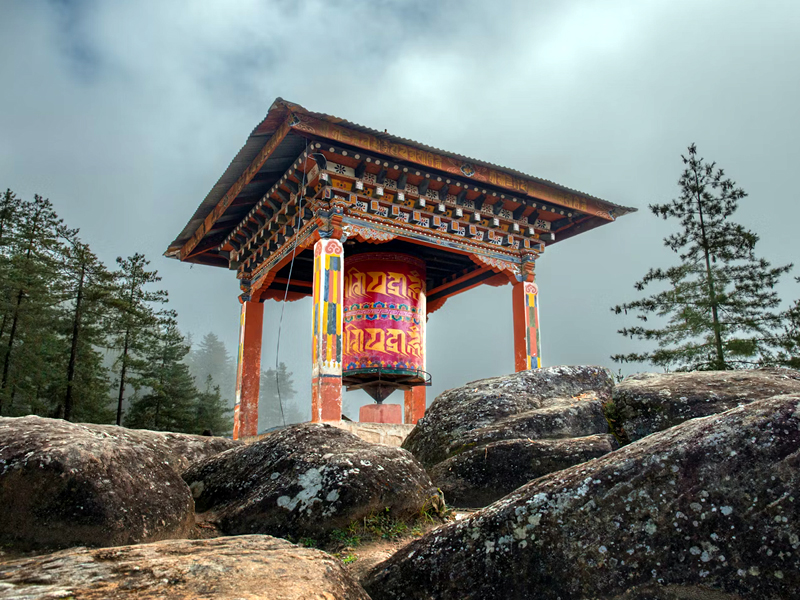
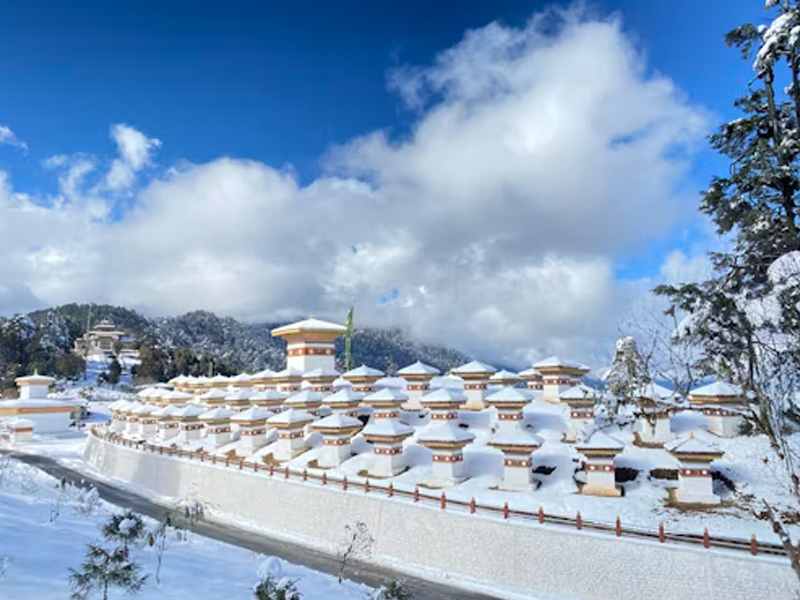
Stop at this sacred mountain pass adorned with 108 memorial chortens, offering panoramic views of snow-capped peaks on clear days. The serene atmosphere and fluttering prayer flags create a perfect introduction to Bhutan's spiritual landscape. Time your visit for sunrise when the first light illuminates the white stupas against the majestic mountains.
Tshechu Festivals: A Riot of Color and Devotion
Plan your trip around one of Bhutan's vibrant religious festivals where entire communities gather to witness masked cham dances. These elaborate performances depict Buddhist parables through swirling costumes and haunting music. The Paro and Thimphu Tshechus are particularly spectacular, offering visitors an authentic immersion in living Bhutanese culture.
Farmhouse Stays: Living Like a Local
Experience genuine Bhutanese hospitality by staying in a traditional farmhouse. These rustic yet comfortable accommodations allow you to participate in daily rural life - from helping prepare ema datshi (chili cheese stew) to learning ancient weaving techniques. Evening gatherings around the bukhari (wood stove) often turn into impromptu cultural exchanges.
Kayaking Bhutan's Pristine Rivers
For adventurous travelers, Bhutan offers world-class kayaking through untouched river valleys framed by towering mountains. The Mo Chhu and Pho Chhu rivers near Punakha provide ideal conditions for both beginners and experienced paddlers to experience Bhutan's natural beauty from a unique aquatic perspective.
Thimphu's Weekend Market: A Sensory Feast
Immerse yourself in Bhutan's vibrant market culture at Thimphu's weekend bazaar. Browse stalls overflowing with organic produce, aromatic spices, and traditional handicrafts. This is the perfect place to interact with locals while shopping for authentic souvenirs like handwoven textiles or dried yak cheese.
Bhutanese Wellness: Hot Stone Baths and More
Rejuvenate with traditional Bhutanese therapies like the famous hot stone bath, where river rocks heated in fires infuse medicinal herbs into steaming water. Luxury spas like Koma in Punakha blend ancient healing practices with modern comforts, offering the perfect respite after days of Himalayan exploration.
Gangtey Valley: Bhutan's Hidden Paradise
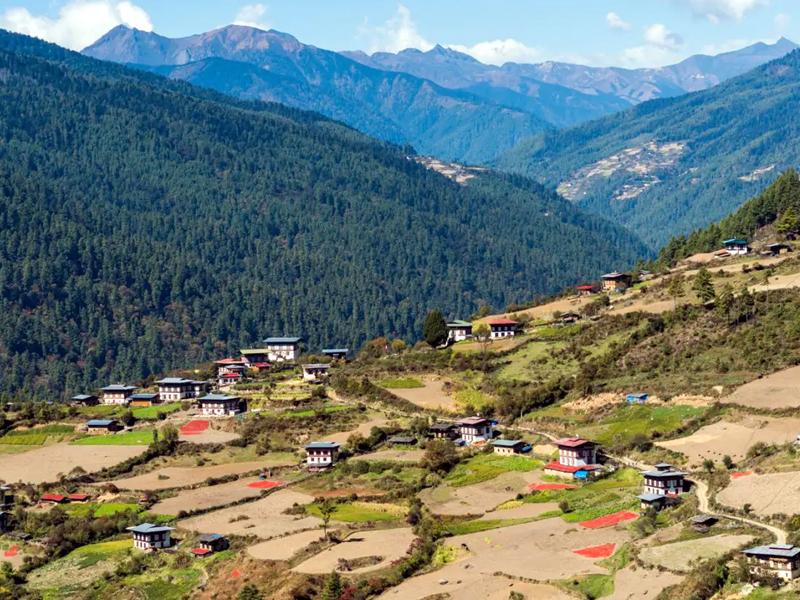
Venture off the main tourist trail to the breathtaking Phobjikha Valley, winter home to endangered black-necked cranes. This glacial valley offers some of Bhutan's most pristine landscapes and opportunities for gentle hikes through rural villages untouched by mass tourism.